
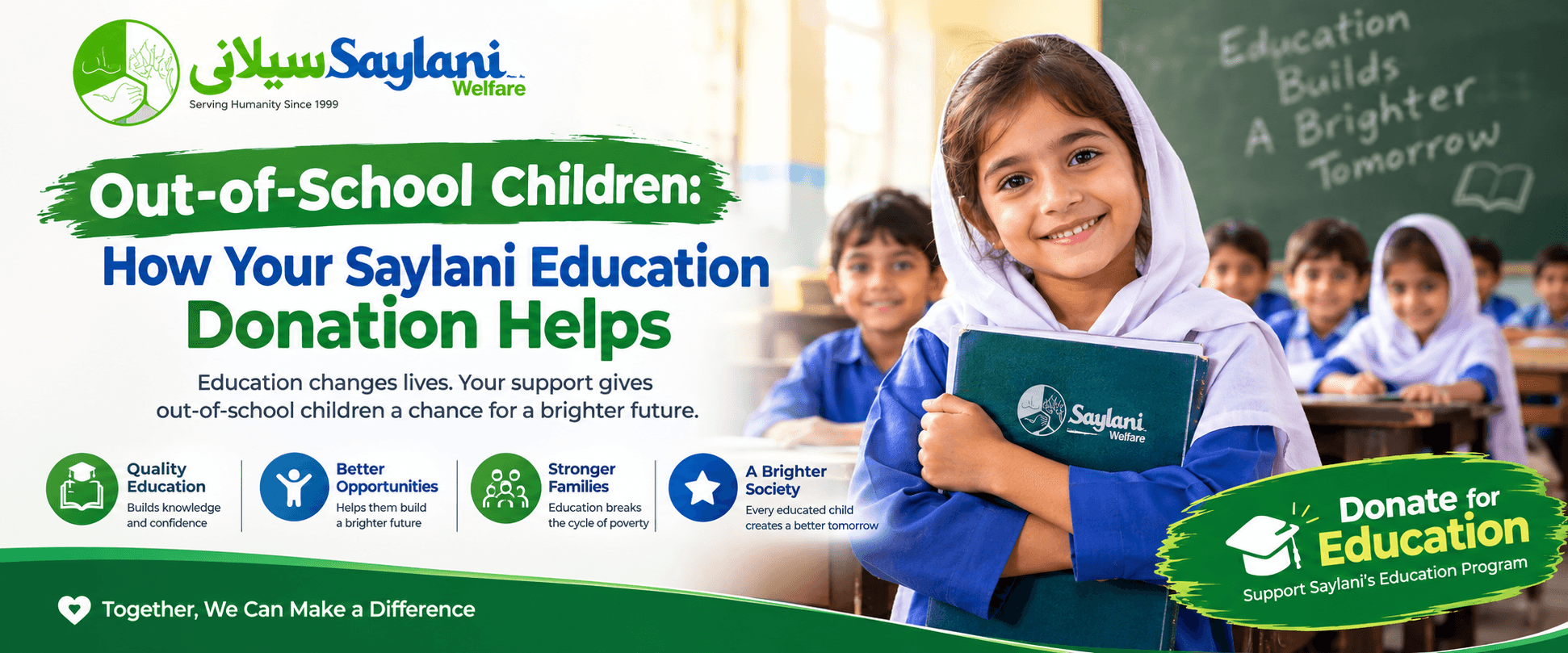
Schooling can affect a child's life, but not all children can go to school on a regular basis. Everyday financial constraints, travel expenses, childcare, disability, moving house and the lack of good local schools can all be barriers. School expenses and learning materials could be difficult to pay for if there are limited resources available for the family to pay for food, housing and healthcare. Education donations that are carefully directed can help overcome some of these barriers, if they are used to back a programme which appreciates the needs of children and families.
Identifying obstacles for children out of school
Out of school children refers to children who have not registered for school and those who registered but subsequently left school. Not all of the reasons are the same. A family might not have the funds for fees or uniforms, a child might live too far away from a school, or a family may require assistance with admission or documentation or with a change in circumstances. In other situations, issues of safety and/or accessibility or learning support may be important issues.
This is why it is necessary for an education response to have more than a single payment. It should take into account the practical reasons for a child's absence and if the support will be available long enough for the child to attend. Families should be treated with dignity and included in decisions relating to appropriate support.
Your donation for education can make a difference
Donations may be used to assist with school fees, books, stationery, uniform, and/or approved learning expenses, depending on the programme. There can be some initiatives that have a formal education component and others that have a skills training and/or short course component for eligible learners.
When deciding to fund a student's course, please consult the programme's scope, eligibility criteria and the funding of a donation to a specific learner, course or to the general education fund. Ask for a duration of support, what is involved in the cost and if there are any costs for families to cover as well. Clear information helps donors from getting the idea that they will have their every need met with one donation. This way you can sponsor a child education completely or one time as you wish to do.
Sustained support is important, why?
The initial admission fee may be inadequate for a child to continue in education. Sustained costs relating to transport, the fees for exams, access to digital learning materials, attendance etc. may impact attendance over time. Having a plan in place that supports the learner for a longer period means it can be easier for families to plan and for the programme team to be able to recognise when the learner requires extra support.
It is the responsibility of the sponsor to take care in sponsoring a child's education. Donors must follow the charity's donation guidelines and should not have direct access to a child's private information. If a programme offers updates, then these should take into account the learner's dignity and safeguarding needs. Spreading the gift is to aid in education, not to add a burden on the family or put a child under a debt obligation with a donor.
It is important to determine if an education charity is effective
If you want to consider an education charity, check for definite program descriptions, simple directions for giving, proper financial control, and a means to ask questions. A charitable organization in Pakistan must inform about what a donation will be used for and about any limitations. Do not trust copied appeals or posts by others, look for official information.
To find out which education programmes are running and available for donations in Saylani education support please visit the official website of Saylani Welfare International Trust.
Informative information to give before donating
Decide on the use of the funds: school fee donation, learning materials, skills training, or some sort of general education fund. Check the official payment channel and the name of the person who is receiving the payment. Take the time to read the conditions of any appeal and hold on to the receipt. If the programme is continuing, be sure to know the programme schedule and how to change or cancel future payments.
For parents and guardians wanting assistance, reach out to the organisation via their normal channels and request to know if they are eligible, what documents are needed, where they are located and what assistance is currently offered. Provide copies of relevant school or fee records, if requested, but documents of a personal nature should not be made available unless in an official and appropriate manner. Don't post personal information about a child publicly.